
How to Apply to Cambridge University as a Graduate Student
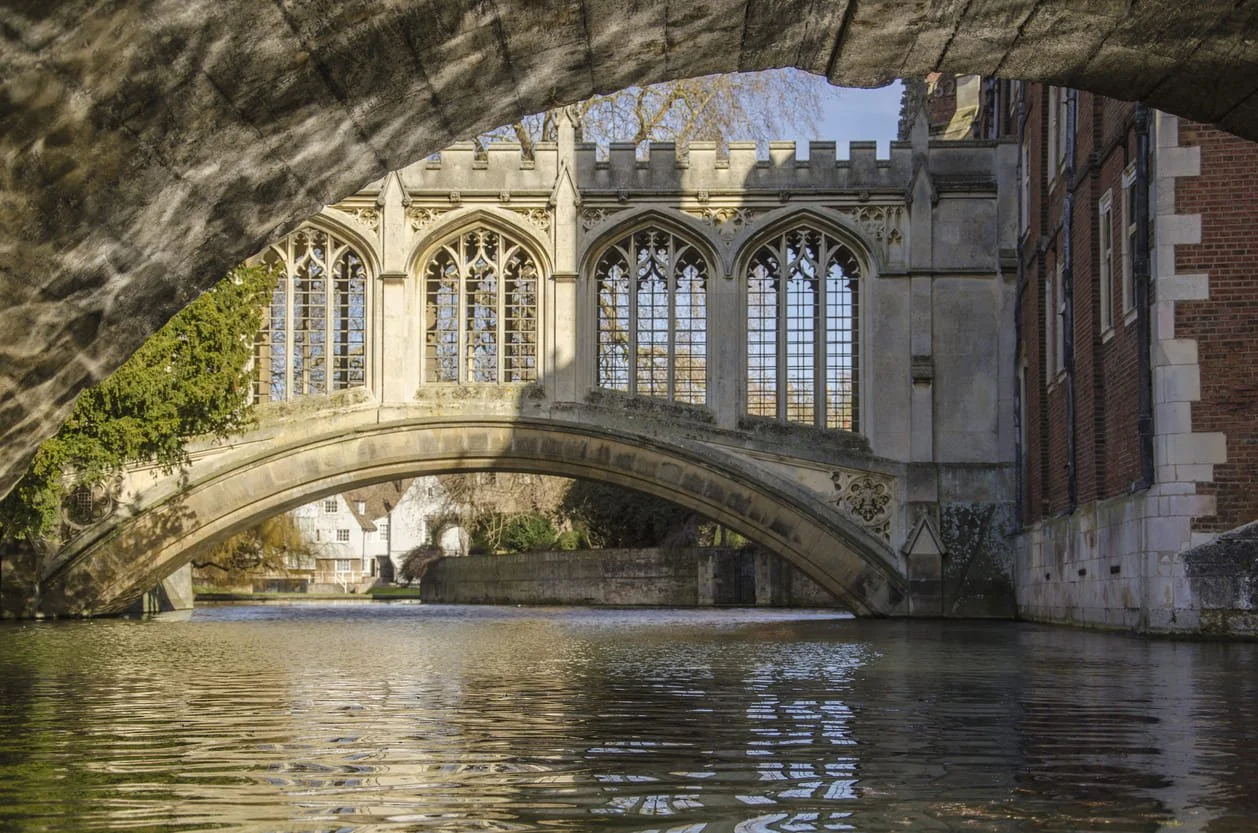
Studying at the University of Cambridge as a graduate student is a goal shared by ambitious applicants from around the world. Cambridge’s reputation for academic excellence, historic beauty and innovative research attracts students across every discipline — from economics, engineering, and computer science to archaeology, education, and public policy.
Cambridge uses a carefully structured, highly academic selection process for taught Master’s programmes. This guide focuses on navigating Cambridge Master’s applications and highlights the key components, timelines, and decisions students need to make. For personalised guidance, students are always welcome to connect with J&J Education’s graduate admissions consultants.
Key Components of Cambridge University Graduate Admissions
Applications to Cambridge Master’s programmes (such as MPhil, MASt, or MSc) typically require several materials. Cambridge places strong emphasis on academic quality, clarity of research interest, and evidence of intellectual maturity.
Common components for Cambridge graduate applications include academic transcripts showcasing strong performance, personal statement and/or research-focused statement of purpose, academic references showcasing your potential and aptitude for your exact area of study, CV or academic résumé, writing sample or research proposal (depending on the course) and potentially interviews.
Cambridge Master’s programmes are highly competitive, with successful applicants often demonstrating a first-class academic record or equivalent. Experienced graduate admissions consultants can help students refine these materials and articulate their strengths clearly and strategically.
FAQ
Q: What academic grades are required for Cambridge graduate admissions?
A: Cambridge generally looks for a strong first-class degree or international equivalent. Some departments may accept high upper-second-class results, or their international equivalent. Do note that grades tend to be minimum entry requirements; meeting them does not guarantee admissions and you still need to excel in the rest of the Cambridge graduate admissions applications process.
Q: How important are academic references in Cambridge graduate applications?
A: Academic references are central to Cambridge's evaluation process. Strong recommendations should highlight your intellectual potential, research ability, and evidence of academic curiosity — all key traits Cambridge values.

Choosing the Right Course for Cambridge Graduate Admissions
Cambridge offers a wide range of Master’s programmes, and choosing the right one is an essential part of preparing a compelling application. When researching courses, students should review the course structure, assessments, and duration; explore research interests of faculty; compare different Master’s pathways; and evaluate how the course aligns with long-term academic or career goals. Do be aware that the research-Master’s application process can be more involved, usually requiring a fleshed-out research proposal, which requires intensive research and a refined academic focus. And even some of the taught year-long Master’s programmes ask for a research proposal. You’ll also need to think carefully about what you plan to do after — are there particular research skills or academic areas you need to plug in order to do that? Do you wish to stay in the UK and work afterwards?
FAQ
Q: Is the MPhil always a better choice for students aiming for a PhD?
A: Not always. While the MPhil offers deeper research training, some departments treat the MSc as a sufficient foundation for doctoral study. The answer may also depend on how much research work you have done during your undergraduate degree and how linked this work is to your proposed PhD focus.
Q: Does applying early improve my chances of success at Cambridge?
A: It depends what you mean by early and which programme. For some programmes with a set application deadline, often these will be reviewed after that deadline and applying earlier may not benefit you; for those with rolling admissions and later deadlines, applying earlier can give you access to more funding opportunities or be more beneficial as there may be more places available. You also need to make sure you’re ‘ready’ to apply and have time to carve out a competitive application. In short, you can only answer this question when looking at a specific programme and your own circumstances.

Timings for Cambridge Graduate and Master’s Admissions
We recommend starting to prepare around 4-12 months in advance so that you can work systematically on all elements of the application process from researching courses to drafting compelling personal statements targeted to your exact areas of interests and so that you can bolster your academic profile over time. You will also want to think carefully about which courses to apply for based on your interests, admission rates, cohort size and requirements. Each Cambridge programme sets its own deadline and these can vary significantly, some being early December with one set deadline and others going up to May/Spring with rolling admisisons.
Final Thoughts
Studying as a graduate study at Cambridge can be an academically and personally transformative experience. If you’re academically able and excited at the prospect, why not try applying? Cambridge offers enriching and rigorous programmes geared to your interests and some of the most demanding but rewarding graduate experiences globally. If you would like expert support on your Cambridge graduate applications— from course selection to personal statements—consider working with J&J Education’s graduate admissions consultants here.
